Yeast intolerance is when foods made with baker’s or brewer’s yeast, or flavoured with yeast extract, seem to leave you bloated, gassy or generally unwell a few hours later. It is not a formal medical diagnosis, but it is a pattern many people notice, and the clearest way to check it is a short yeast-free trial followed by a careful reintroduction.
The tricky part is that yeast rarely travels alone. Bread also contains wheat, beer contains barley and alcohol, and yeast extract turns up in foods you would never think to check.
This guide covers the symptoms people report, where yeast hides, simple swaps that keep meals normal, and how to tell yeast apart from the other usual suspects.
What does yeast intolerance feel like?
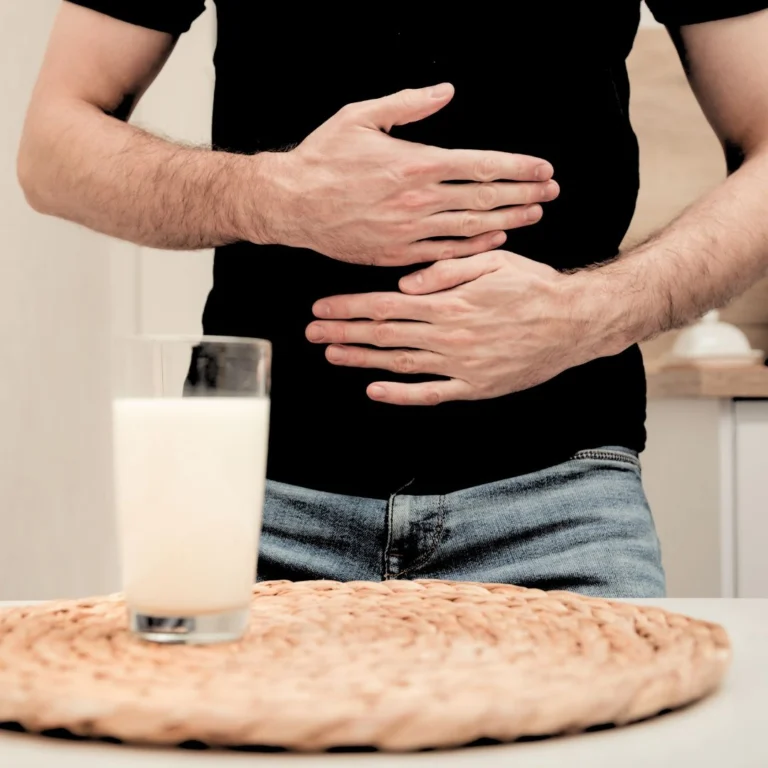
Symptoms are usually digestive and tend to build gradually rather than arrive straight away. The NHS notes that food intolerance symptoms usually come on a few hours after eating the food involved, and can last hours or days.
People who suspect yeast often describe:
- bloating or a tight, swollen tummy after bread, pizza or beer
- wind, gurgling and stomach cramps
- loose stools or, for some, constipation
- feeling heavy, sluggish or foggy after a yeasty meal
- headaches after beer, wine or cider
These overlap with many other triggers, which is why a pattern over a couple of weeks tells you far more than one bad day.
Which foods contain yeast?
Yeast appears in food in three main ways: as a raising agent, as the engine of fermentation, and as a savoury flavouring.
| Type of yeast | Where you will find it |
|---|---|
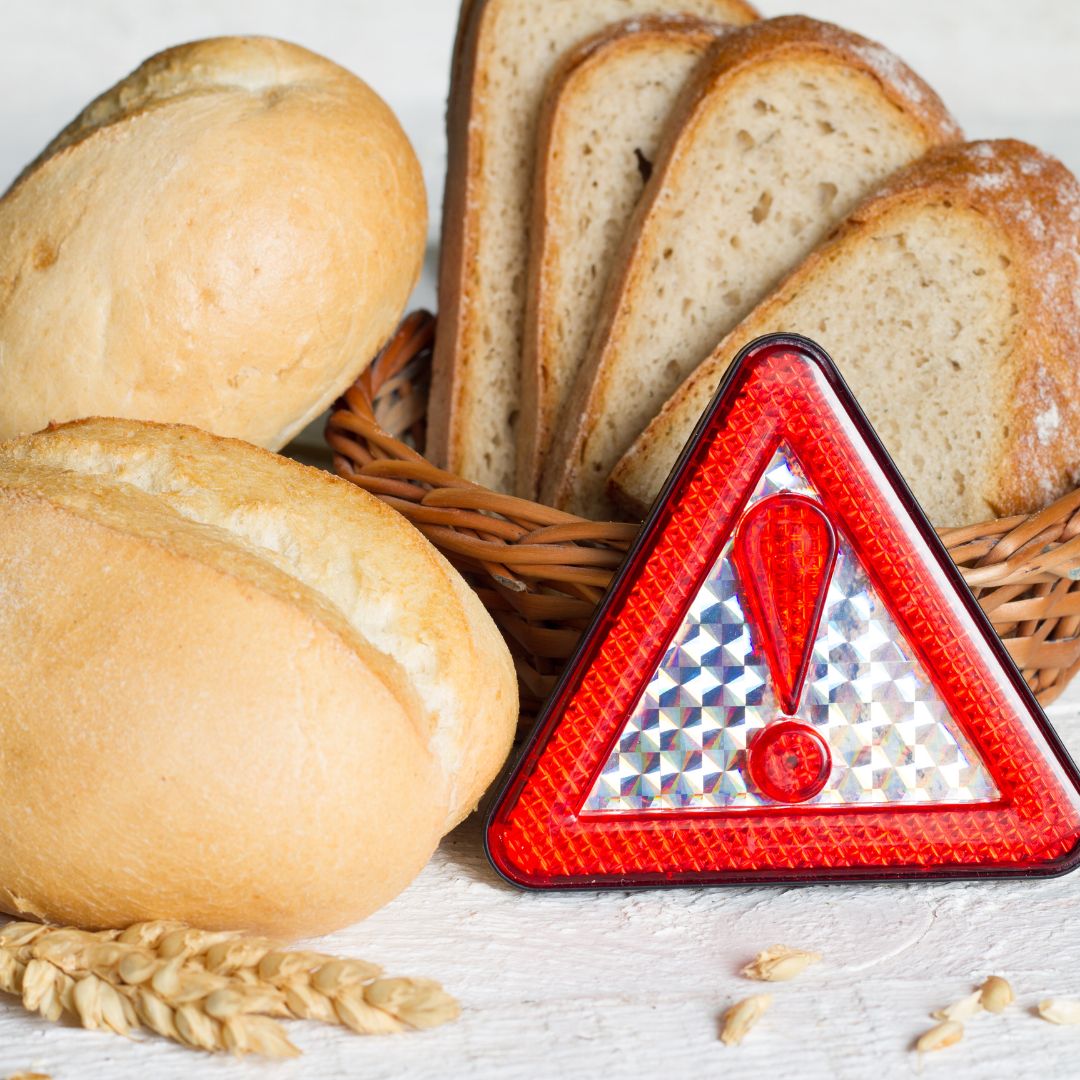
| Baker’s yeast | Most sliced bread, rolls, bagels, pizza bases, crumpets, naan, hot cross buns, croissants and doughnuts |
| Brewer’s yeast | Beer, lager, ale, stout, cider, wine, champagne and prosecco, including alcohol-free beer |
| Yeast extract | Yeast extract spreads (the Marmite type), stock cubes, gravy granules, crisps, savoury snacks, soups and ready meals |
| Nutritional yeast | Vegan “cheesy” flakes, some plant-based sauces and seasonings |
| Often avoided on strict yeast-free plans | Vinegar, soy sauce, kombucha and some dried fruit |
On labels, look for “yeast”, “yeast extract”, “autolysed yeast” and “hydrolysed yeast”. Savoury foods described as “rich” or “umami” often owe that flavour to yeast extract.
Is it the yeast, the wheat or the alcohol?
This is the most useful question to answer, because bread and beer each contain several possible triggers.
- If ordinary bread bothers you but yeast-free soda bread made with wheat flour does not, yeast is a reasonable suspect.
- If soda bread causes the same symptoms, look at wheat or gluten first. Our guide to wheat and gluten sensitivity vs coeliac disease explains the difference.
- If beer is the problem but bread is fine, alcohol, barley or histamine may matter more than yeast. See alcohol intolerance: wine, beer and spirits.
- If bloating is worse after big portions of bread, fermentable carbohydrates in wheat could be involved. FODMAPs explained covers why.
If there is any chance of coeliac disease, ask your GP for the coeliac blood test before you cut out bread, because it needs to be done while you are still eating gluten.
Is yeast intolerance the same as candida or thrush?
No. “Yeast intolerance”, as most people use it, is about how you feel after eating yeast-containing foods. Thrush and other yeast infections are caused by Candida growing on the body, and they are a separate issue for a pharmacist or GP.
A genuine allergy to yeast is uncommon, but it is worth knowing the signs. Hives, swelling of the lips, face or throat, or difficulty breathing after any food point to an allergic reaction: get urgent medical help, and call 999 if breathing is affected. Intolerance testing is not a substitute for allergy testing.
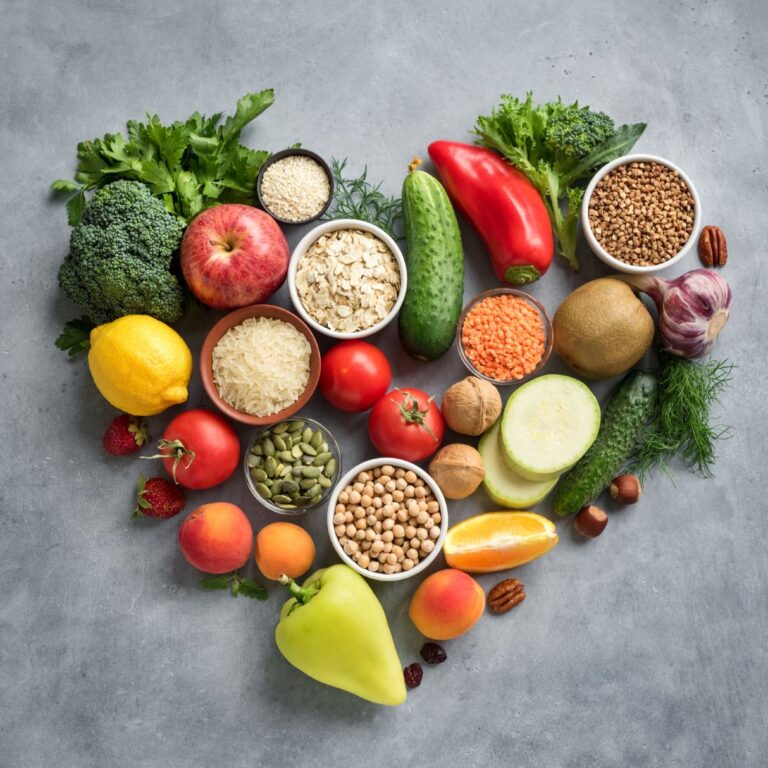
What can I eat instead? Easy yeast-free swaps
A yeast-free trial is much easier when the everyday staples are covered.
| Instead of | Try |
|---|---|
| Sliced bread and toast | Soda bread, oatcakes, rice cakes, corn tortillas, or flatbreads made with baking powder |
| Pizza base | A quick yoghurt-and-flour dough raised with baking powder |
| Beer, lager or wine | Sparkling water with lime, or a soft drink; remember alcohol-free beer is still brewed with yeast |
| Yeast extract spread | Nut butter, hummus, mashed avocado or a soft cheese |
| Stock cubes and gravy granules | Homemade stock, or herbs, garlic, lemon and a pinch of salt for flavour |
| Nutritional yeast | Finely ground seeds with lemon zest, or a little hard cheese if dairy suits you |
Two common mix-ups: sourdough is still made with wild yeast, so it is not yeast-free, and “yeast-free” does not mean gluten-free.
How do you test a yeast-free diet properly?
- Start with a baseline. Keep a food and symptom diary for a week while eating as normal, noting bread, drinks, stock and snacks.
- Remove yeast for two to four weeks. Include the hidden sources above, but keep the rest of your diet the same so the result is clear.
- Reintroduce one source at a time. Try ordinary bread for two or three days, then pause. Test beer or wine on a separate occasion, then yeast extract. Our simple reintroduction schedule shows how to space them out.
- Look for your threshold. Many people find a slice of bread is fine while a pizza and two pints is not. Knowing your limit matters more than strict avoidance.
Avoid cutting out several food groups at once. If yeast turns out to be only part of the picture, our overview of the most common food intolerances in the UK is a good next read.
Where hair sample testing fits
If yeast is one of several suspects, testing can help you decide what to try removing first. The Core Intolerance Test tests 500 food items, including Yeast, white, brown, granary and rye bread, Beer, Ale, Lager, Red Wine, White Wine, Prosecco, Malt vinegar and Soy Sauce, alongside Wheat and Gluten. Seeing them side by side helps you plan a trial that separates yeast from the other ingredients it travels with.
The test uses bioresonance, a complementary approach outside mainstream medicine. It is a wellness test and a starting point for an elimination diet, not a medical diagnosis, and it does not test for allergies, coeliac disease or lactose intolerance.
You order online and the sampling instructions arrive by email straight away; there is no kit to wait for. You post 4–5 strands of hair to our UK lab and receive your report within 3–5 working days of your sample arriving, or 48 working hours with priority. It groups items into high, medium and low response and includes a 6–8 week elimination plan and a printable food diary. The Core test is £14.99. If you also want non-food items, pollens and E-numbers covered, the Ultimate Intolerance Test tests 1,100 items.
Frequently asked questions
Can you be intolerant to yeast?
Some people notice bloating, wind or discomfort after bread, beer or foods with yeast extract. It is not a formal medical diagnosis, so the most reliable way to check is a few weeks without yeast followed by a careful reintroduction while you keep a diary.
Is sourdough bread yeast-free?
No. Sourdough is made with a starter containing wild yeasts and bacteria, so it is not suitable for a strict yeast-free trial. Soda bread, oatcakes and corn tortillas are better options.
Does alcohol-free beer contain yeast?
Yes. Alcohol-free and low-alcohol beers are still brewed with yeast, even though most of the alcohol is removed or never forms. Leave them out during a yeast-free trial.
How long after eating yeast do symptoms start?
Intolerance symptoms usually build over a few hours rather than appearing instantly, and they can last for a day or more. Rapid swelling, hives or breathing difficulty are different and need urgent medical help.
Is a yeast-free diet the same as a gluten-free diet?
No. Yeast-free means no baker's or brewer's yeast or yeast extract, but the food may still contain wheat and gluten. Gluten-free bread usually contains yeast, so check both on the label.
This guide is general wellness information, not medical advice. Our test uses bioresonance, a complementary (CAM) method; it does not diagnose allergies, coeliac disease or any medical condition. Speak to a GP if you have severe or ongoing symptoms.