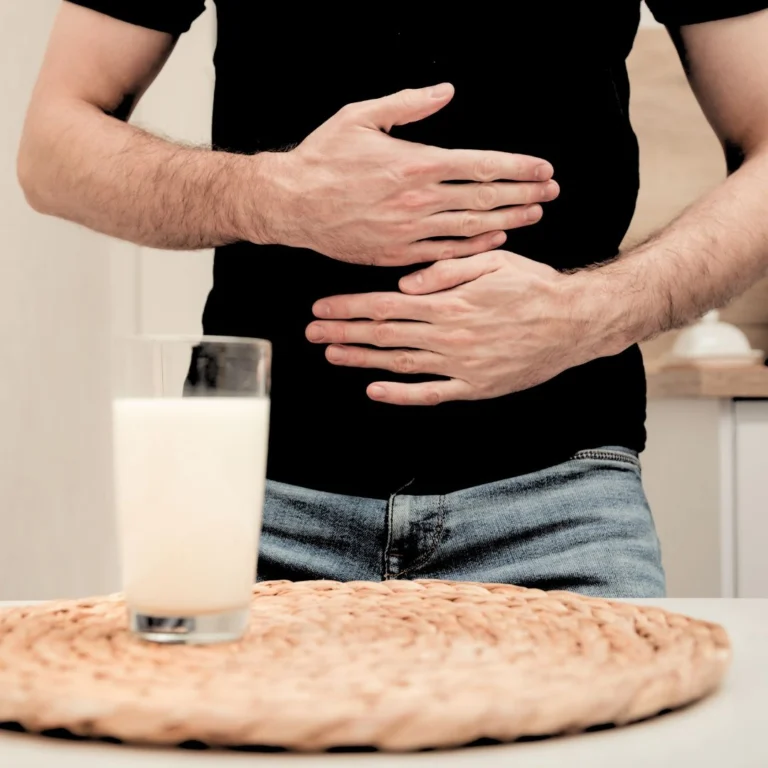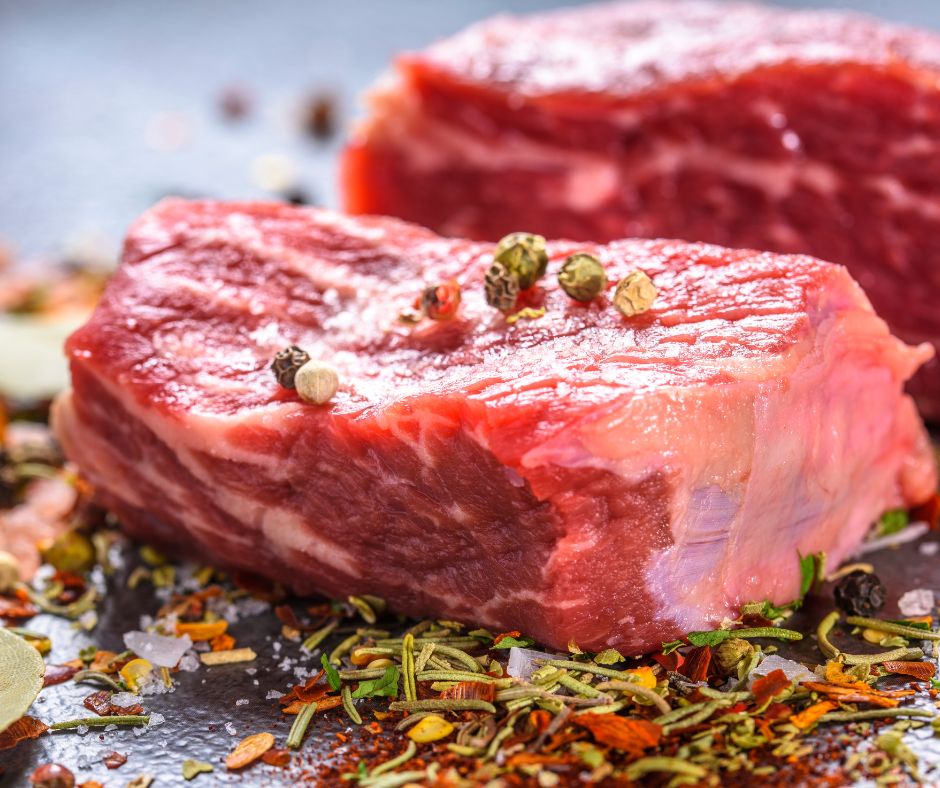
Beef and red meat intolerance usually shows up as feeling heavy, bloated or sluggish, getting indigestion, or having loose stools or constipation after steak, burgers, mince or sausages. Often the trigger is the amount of fat, how the meat was processed or aged, or what was cooked with it, rather than beef itself, so a careful trial helps you separate them.
This guide covers the signs, the most likely reasons red meat disagrees with people, the one allergy worth knowing about, and practical alternatives that keep your iron and protein up.
What does red meat intolerance feel like?
- a heavy, over-full feeling that lasts for hours
- indigestion or reflux, especially after a big or late meal
- bloating and wind
- loose stools, or constipation if meals are low in fibre
- tiredness after a large meal; see tired after eating? for the wider picture
- headaches after processed meats such as bacon, ham and salami
Fatty meals take longer to leave the stomach, which is one reason a ribeye and chips feels very different from a small portion of lean beef.
Why might beef or red meat disagree with you?
Fat and portion size
Burgers, fatty mince, marbled steaks and fried dishes are heavy going. Many people who think they react to beef find that leaner cuts in smaller portions are fine.
Processing and additives
Sausages, burgers and meatballs often contain rusk or breadcrumbs (wheat), onion, spices and preservatives. Sulphites are common in British sausages and burgers, and preserved meats such as bacon and ham contain nitrites or nitrates. Our guide to food additives and E-numbers explains these in more detail.
Ageing, preserving and leftovers
Dry-aged beef, salami, chorizo, jerky and leftovers kept in the fridge for several days are higher in histamine than freshly cooked meat. If wine and aged cheese also cause flushing or a blocked nose, see our practical list of high-histamine foods.
Low fibre overall
A meat-heavy plate with few vegetables, pulses or whole grains can leave you constipated and sluggish. Sometimes the fix is adding fibre around the meat, not removing it.
Could it be an allergy instead?
Red meat allergy is uncommon but important. The best known is alpha-gal syndrome, an allergy to a sugar found in beef, lamb, pork and other mammal meat that can develop after certain tick bites. Its reactions are often delayed by several hours after eating, which makes it easy to mistake for intolerance. Hives, swelling of the lips, face or throat, severe stomach pain or breathing difficulty after any food need urgent medical help; call 999 if breathing is affected. Intolerance testing is not a substitute for allergy testing.
Our guide to food intolerance vs allergy explains the difference in more detail.
What can I eat instead of beef?
| Usual meal | Try instead |
|---|---|
| Spaghetti bolognese, chilli, cottage pie | Turkey mince, green or brown lentils, or half mince and half lentils |
| Burgers | Chicken or turkey burgers, bean burgers or salmon fishcakes |
| Sunday roast beef | Roast chicken, a whole baked fish or a lentil and vegetable roast |
| Steak night | Salmon fillet, a large portobello mushroom or grilled halloumi |
| Beef stew or casserole | Chicken and bean casserole, or chickpea and vegetable stew |
If you only seem to react to red meat in general, chicken, turkey and fish are the simplest swaps. If you react to beef but not lamb or pork, keep those in and test them separately.
How do you keep iron and protein up without red meat?
Red meat is a convenient source of iron, protein and vitamin B12. The NHS lists other good sources of iron, including beans such as red kidney beans and chickpeas, nuts, dried fruit like apricots, and fortified breakfast cereals. Fish, eggs and dairy provide B12.
The NHS already advises most of us to eat less red and processed meat, so reducing it is not a nutritional risk if you replace it well. Our elimination diet meal ideas include plenty of red-meat-free options for a normal week.
How do you test whether beef is the problem?
- Keep a diary for a week, noting the cut, portion, cooking method and whether the meat was fresh, processed or leftover.
- Change the type before removing it. Try small portions of lean, unprocessed, freshly cooked beef for a week. If you feel fine, fat or processing is the more likely issue.
- If symptoms continue, remove beef for two to three weeks, including mince in sauces, stock and processed meats.
- Reintroduce plain cooked beef and watch for 48 hours. Test lamb and pork on separate occasions.
Where hair sample testing fits
If plain, lean beef still seems to cause trouble, testing gives you a starting point for deciding what to try removing first. The Core Intolerance Test tests 500 food items, including Beef, Veal, Beef Jerky and Ox liver, alongside Lamb, Mutton, Pork, Pork Sausages, Bacon, Venison, Goat, Rabbit and Horse. That helps you see whether beef stands out or whether it sits within a wider group, such as processed meats.
If you suspect preservatives or additives, the Ultimate Intolerance Test tests 1,100 items and adds E-numbers and non-food items.
The method is bioresonance, a complementary approach outside mainstream medicine. It is a wellness test, not a medical diagnosis, and it does not test for allergies, including alpha-gal, or for coeliac disease or lactose intolerance. You order online, get instructions by email straight away and post 4–5 strands of hair. Your report arrives within 3–5 working days of your sample arriving, or 48 working hours with priority, with high, medium and low response groups, a 6–8 week elimination plan and a printable food diary. For the wider picture, see the most common food intolerances in the UK.
Frequently asked questions
Why do I feel bloated after eating red meat?
Large or fatty portions take longer to digest, and processed products often contain wheat, onion and preservatives. Meals with little fibre alongside the meat can also leave you sluggish. Try a smaller portion of lean, fresh beef with plenty of vegetables and compare.
Can you be intolerant to beef but not lamb or pork?
Yes, some people notice one meat more than others. Remove beef first and keep lamb and pork in, then reintroduce each separately so you can see which, if any, causes symptoms.
What is alpha-gal syndrome?
It is an allergy to a sugar called alpha-gal found in most mammal meat, and it can develop after certain tick bites. Reactions are often delayed by several hours, which can make them look like intolerance. Anyone with hives, swelling or breathing difficulty after red meat needs medical help.
Is processed meat harder to tolerate than fresh meat?
Often, yes. Sausages, burgers, bacon and other preserved meats can contain wheat-based fillers, sulphites, nitrites and higher levels of histamine. Many people who react to processed meat manage fresh, plainly cooked meat well.
This guide is general wellness information, not medical advice. Our test uses bioresonance, a complementary (CAM) method; it does not diagnose allergies, coeliac disease or any medical condition. Speak to a GP if you have severe or ongoing symptoms.