

TL;DR:
- Food intolerance is a delayed, non-immune reaction to foods that causes digestive and systemic symptoms. The most reliable prevention method is a dietitian-led elimination and reintroduction diet, not commercial testing kits. Unvalidated tests like IgG or hair analysis can mislead and delay correct diagnosis or cause nutritional deficiencies.
Food intolerance is defined as a delayed, non-immune reaction to specific foods that causes digestive and systemic symptoms. Prevention through intolerance testing is the process of identifying your personal food triggers before they cause ongoing harm to your health. The challenge is that no single validated test exists for most food intolerances. Effective prevention relies on structured, dietitian-led elimination and reintroduction strategies, not on commercial kits that promise quick answers. Understanding this distinction is the first step toward managing your symptoms safely and confidently.
What are the scientifically supported methods for prevention through intolerance testing?

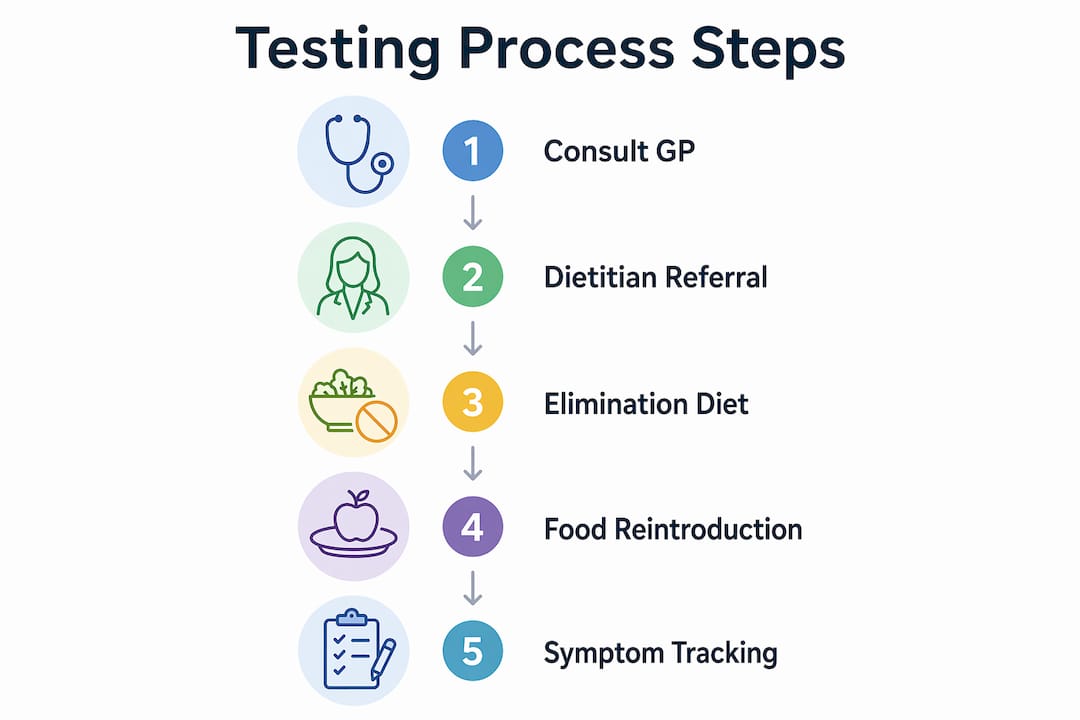
The gold standard for identifying food intolerances in the UK is the elimination and reintroduction diet supervised by an HCPC-registered dietitian. This process removes suspected trigger foods for a set period, then reintroduces them one at a time while monitoring symptoms. It is time-intensive but scientifically validated for identifying true food triggers safely and sustainably.
The NHS pathway begins with your GP. Your doctor rules out other medical conditions first, then refers you to a dietitian if food intolerance is suspected. This referral is available free of charge through the NHS, which means you do not need to pay for private testing to access professional support.
Symptom tracking is a core part of this process. Keeping a detailed food and symptom diary helps your dietitian spot patterns that a blood test simply cannot reveal. You record what you eat, when symptoms appear, and how severe they are. That data becomes the foundation for a personalised plan.
Two conditions have validated diagnostic tests that stand apart from general intolerance testing. Lactose intolerance and coeliac disease both have specific, clinically recognised tests. Coeliac disease requires a blood test for antibodies while you are still consuming gluten. Removing gluten before testing produces false negatives, which means a missed diagnosis. If coeliac disease is a possibility, do not change your diet before speaking to your GP.
- See your GP first. Rule out coeliac disease, inflammatory bowel disease, and other conditions before assuming food intolerance.
- Request a dietitian referral. An HCPC-registered dietitian will guide your elimination diet safely and interpret your results.
- Keep a food and symptom diary. Record meals, symptoms, timing, and severity for at least two weeks before your appointment.
- Follow the elimination phase. Remove suspected triggers for the period your dietitian recommends, typically two to six weeks.
- Complete the reintroduction phase. Reintroduce foods one at a time to identify which specific items cause your symptoms.
Pro Tip: Start your food diary at least two weeks before your GP appointment. The more detail you bring, the faster your dietitian can identify patterns and build your plan.
Why are many commercial intolerance tests not recommended?
The NHS, the British Society for Allergy and Clinical Immunology (BSACI), and the National Institute for Health and Care Excellence (NICE) all advise against commercial IgG food intolerance tests and hair analysis kits. These tests lack clinical validation for diagnosing food intolerances. That means their results cannot reliably tell you which foods are causing your symptoms.
The IgG test is the most widely sold commercial option. The problem is that a positive IgG result indicates recent food exposure, not intolerance. Foods you eat regularly will naturally produce higher IgG antibody levels. This means IgG tests frequently flag common staple foods like wheat, dairy, and eggs as problematic, even when they are not causing harm.
Hair analysis tests carry the same problem. There is no peer-reviewed evidence that hair samples can identify food intolerances. Professionals warn that tests marketed as shortcuts are misleading and may delay diagnosis of real health issues. Spending money on an unvalidated test can give you false confidence or unnecessary anxiety.
The risks of acting on unvalidated results are real:
- Unnecessary food elimination removes nutritious foods from your diet without cause.
- Nutritional deficiencies develop when staple foods like dairy or grains are cut without professional guidance.
- Delayed diagnosis occurs when people assume a commercial test has ruled out serious conditions like coeliac disease or inflammatory bowel disease.
- Increased anxiety around food can develop when vague results label many foods as “reactive.”
“Unvalidated tests risk causing unnecessary dietary restrictions leading to nutritional deficiencies. This is particularly harmful in children and individuals with already limited diets.”
Consumers often confuse intolerance tests with allergy tests, which compounds the problem. The two measure entirely different things. Treating an IgG result as equivalent to a clinical allergy diagnosis leads to mismanagement of symptoms and, in some cases, genuine harm.
How do you tell the difference between intolerance and allergy symptoms?
Food allergies and food intolerances produce different symptoms through different biological mechanisms. Understanding the difference helps you seek the right kind of help quickly.
Food allergies are IgE-mediated, meaning the immune system reacts rapidly to a food protein. Symptoms appear within minutes to two hours of eating. Food intolerances cause delayed reactions, often appearing hours or even days after eating the trigger food. That delay is exactly what makes intolerance diagnosis so difficult.
| Feature | Food allergy | Food intolerance |
|---|---|---|
| Immune mechanism | IgE-mediated immune response | Non-immune, often enzyme or chemical |
| Symptom onset | Minutes to two hours | Hours to days |
| Common symptoms | Hives, swelling, breathing difficulty, anaphylaxis | Bloating, wind, headaches, fatigue, skin rashes |
| Diagnosis method | IgE blood test, skin-prick test | Elimination and reintroduction diet |
| Risk level | Can be life-threatening | Rarely dangerous, but affects quality of life |
Allergy symptoms require urgent medical attention. If you experience swelling of the lips or throat, difficulty breathing, or a sudden drop in blood pressure after eating, call 999 immediately. These are signs of anaphylaxis, not intolerance.
Intolerance symptoms are less dramatic but still disruptive. Bloating, loose stools, headaches, skin flare-ups, and persistent fatigue are the most common. These symptoms also overlap with conditions like irritable bowel syndrome (IBS), so professional evaluation is essential before assuming food is the cause. You can read more about common intolerance symptoms to help you recognise what you are experiencing.
What practical steps can you take at home to support intolerance prevention?
Home-based preparation makes a significant difference to the quality of your clinical assessment. The more information you gather before seeing a professional, the more targeted your elimination plan will be.
- Keep a detailed food and symptom diary. Record every meal, snack, and drink alongside any symptoms, their timing, and their severity. The NHS recommends diary tracking as a first step before any formal testing.
- Note lifestyle factors. Stress, sleep quality, and exercise all affect digestive symptoms. Recording these alongside food helps your dietitian separate food triggers from lifestyle ones.
- Avoid self-eliminating foods before your appointment. Removing foods without guidance can mask symptoms and make diagnosis harder. It can also cause nutritional gaps.
- Research the elimination diet process. Understanding what to expect reduces anxiety and helps you stick to the plan. A clear elimination diet checklist can help you prepare.
- Know when to seek urgent help. If you experience rapid swelling, breathing difficulty, or severe abdominal pain after eating, seek medical attention immediately rather than waiting for a dietitian appointment.
The reintroduction phase is where the real learning happens. Reintroducing one food at a time, with several days between each, reveals which specific item triggers your symptoms. Rushing this phase or reintroducing multiple foods at once makes it impossible to identify the true cause.
The NHS pathway prioritises dietitian referral after ruling out other medical issues. Tests alone are insufficient. Professional interpretation and ongoing diet management are what turn test results into lasting health improvements.
Pro Tip: Use a simple notes app on your phone to log meals and symptoms in real time. Retrospective diary entries are far less accurate than notes made immediately after eating or experiencing symptoms.
Key takeaways
Prevention through intolerance testing is most effective when it combines professional dietitian guidance, structured elimination and reintroduction, and symptom tracking, rather than relying on unvalidated commercial tests.
| Point | Details |
|---|---|
| No single validated test exists | Most food intolerances require a dietitian-led elimination diet, not a commercial kit. |
| IgG and hair tests are not recommended | NHS, BSACI, and NICE advise against these tests due to lack of clinical validation. |
| Coeliac disease needs specific testing | Do not remove gluten before testing, as early avoidance produces false negatives. |
| Symptom diaries support diagnosis | Recording food and symptoms for two or more weeks gives your dietitian reliable data. |
| Allergy and intolerance are different | Allergy symptoms are rapid and potentially life-threatening; intolerance symptoms are delayed and digestive. |
Why I think most people approach intolerance testing the wrong way
The most common mistake I see is people buying a commercial test before they have spoken to a GP. The appeal is understandable. You feel unwell, you want answers quickly, and a test that promises results within days feels like a solution. The problem is that the results from IgG or hair analysis tests are not clinically meaningful. Acting on them often makes things worse.
I have seen people eliminate six or seven foods based on a commercial panel, develop nutritional deficiencies, and still feel unwell because the actual trigger was never identified. The elimination diet feels slower and less satisfying, but it is the only method that actually works. Patience with the process is not a weakness. It is the approach that gets you real answers.
The other misconception worth addressing is that intolerance testing is a one-time event. Your intolerances can change over time. Stress, gut health, and life events all influence how your body responds to food. A result from two years ago may not reflect your current situation. Regular reassessment with a professional is far more useful than a single test.
If you are curious about food sensitivity causes and testing in the UK, start with your GP and build from there. The structured approach takes longer, but it gives you information you can actually trust and act on.
— Rob
How Ukfoodintolerance supports your intolerance testing
Ukfoodintolerance offers a range of at-home testing options built around bio-resonance technology, giving you a starting point for understanding your potential food and environmental sensitivities. The process is simple: collect a hair sample at home, post it to the UK-based laboratory, and receive a detailed digital report within 48–72 hours.

The reports cover over 1,100 items on the Ultimate Single Intolerance Test, giving you a broad picture of potential sensitivities to discuss with your healthcare professional. Results are designed to support, not replace, professional dietary guidance. Whether you are preparing for a dietitian appointment or looking to understand your body better, Ukfoodintolerance provides a clear, accessible first step. Browse the full range of intolerance tests to find the option that suits your needs.
FAQ
What is the most reliable way to test for food intolerance?
The most reliable method is a dietitian-led elimination and reintroduction diet, which is available via NHS GP referral. No commercial test currently offers a clinically validated alternative for most food intolerances.
Are IgG food intolerance tests accurate?
IgG tests measure food exposure, not intolerance. The NHS, BSACI, and NICE do not recommend them because a positive result simply means you have eaten that food recently, not that it is causing your symptoms.
How do I know if I have a food intolerance or a food allergy?
Food allergies cause rapid symptoms such as hives, swelling, or breathing difficulty within minutes of eating. Food intolerances cause delayed symptoms such as bloating, fatigue, or headaches that appear hours or days later.
Can I do anything at home before seeing a dietitian?
Yes. Keep a detailed food and symptom diary for at least two weeks before your appointment. Record meals, symptoms, timing, and severity. Avoid eliminating foods on your own before your dietitian advises you to do so.
Does coeliac disease require a special test?
Yes. Coeliac disease requires a specific blood test for antibodies, and you must continue eating gluten before the test. Removing gluten early causes false negatives, which means a missed diagnosis. Always speak to your GP before changing your diet if coeliac disease is suspected.










Leave a Reply
Want to join the discussion?Feel free to contribute!