

TL;DR:
- Nearly 40% of people experience digestive discomfort that disrupts daily life but often overlook it as stress or diet issues. A comprehensive digestive health checklist, focusing on fiber, hydration, meal timing, sleep, movement, and screenings, can improve gut health over time. Personalised testing for food intolerances further refines these habits, supporting long-term digestive wellness.
Roughly 40% of people experience digestive discomfort that disrupts their daily life, yet most chalk it up to stress or a dodgy meal and move on. A proper digestive health checklist changes that. Rather than guessing what is going wrong, it gives you a clear, repeatable framework covering food, hydration, habits, and lifestyle. This guide breaks down every item you should have on that checklist, explains why each one matters, and shows you how to build them into your routine without it feeling like a full-time job.
Table of Contents
- Key takeaways
- 1. Your digestive health checklist: the core criteria
- 2. Fibre: the non-negotiable starting point
- 3. Hydration: the overlooked digestive tool
- 4. Meal timing and chewing: two habits most people underestimate
- 5. Fermented foods and probiotics: supporting your microbiome
- 6. Movement: the natural gut stimulant
- 7. Sleep: the gut reset you cannot skip
- 8. Stress management: protecting your gut-brain connection
- 9. Comparison of key checklist supplements and screening options
- 10. How to personalise and implement your checklist
- My honest take on sticking to a digestive health checklist
- Take your digestive health checklist further with personalised testing
- FAQ
Key takeaways
| Point | Details |
|---|---|
| Fibre and hydration are foundational | Aim for 25–35g of fibre and at least 1.5–2 litres of water daily to support healthy digestion. |
| Meal timing matters more than most think | Spacing meals 3–4 hours apart helps your gut clean itself between eating occasions. |
| Sleep and stress affect your gut directly | Poor sleep and chronic stress are common but underestimated drivers of digestive discomfort. |
| Microbiome changes take time | Consistent habits over 90 days produce meaningful gut improvements; quick fixes rarely hold. |
| Personalisation is key | Identifying your specific food triggers through intolerance testing can sharpen every other item on your checklist. |
1. Your digestive health checklist: the core criteria
Before you can tick anything off, you need to know what belongs on your list. A solid healthy digestion checklist covers six broad areas: diet, hydration, eating patterns, sleep, movement, and preventative screenings. Miss any one of these and you are only solving part of the problem.
- Daily fibre intake: Target 25–35g of fibre from a variety of plant sources including fruits, vegetables, legumes, and whole grains. Diversity matters because different fibres feed different gut bacteria.
- Hydration: Drink 1.5–2 litres of water daily. Spread intake throughout the day rather than drinking large amounts in one go.
- Meal timing: Space meals 3–4 hours apart to support the migrating motor complex, which sweeps waste through your small intestine between meals.
- Sleep quality: Aim for 7–9 hours of consistent, restful sleep each night to maintain the gut-brain axis and reduce the risk of conditions like IBS and acid reflux.
- Physical activity: At least 30 minutes of moderate movement daily supports gut motility and reduces bloating.
- Preventative screening: Adults aged 45 and above, or those with a family history of colorectal issues, should consider a colonoscopy. Early detection raises survival rates to around 90%.
Pro Tip: Start by auditing just one area of your checklist each week. Trying to overhaul everything at once is the fastest route to abandoning all of it.
2. Fibre: the non-negotiable starting point
Most people in the UK fall well short of their daily fibre target. The fix is simpler than you might think. You do not need exotic superfoods. You need variety.
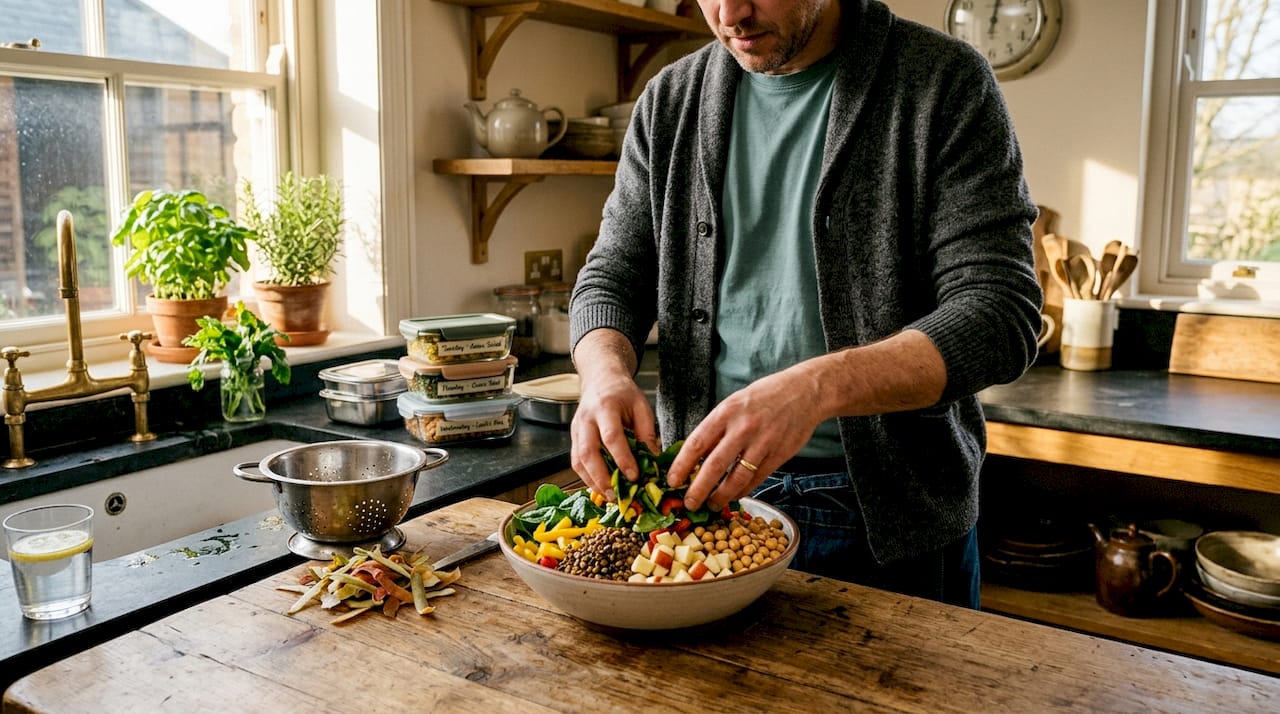
Soluble fibre, found in oats, apples, and lentils, dissolves in water and forms a gel that slows digestion and feeds beneficial bacteria. Insoluble fibre, found in wholegrains and most vegetables, adds bulk to stool and keeps things moving. Both types are part of a complete gut health guide, and both come from plants, which means eating more plants is the single most impactful dietary change most people can make.
A practical target is to include at least five different plant foods per day and work towards ten or more over time. Swapping white bread for wholemeal, adding a handful of beans to your lunch, or finishing dinner with a piece of fruit are straightforward ways to build towards the 25–35g goal without overhauling every meal.
3. Hydration: the overlooked digestive tool
Water is not glamorous, but adequate hydration is one of the most direct ways to prevent constipation and support nutrient absorption. When you are under-hydrated, your colon pulls water from stool to compensate, which leaves it hard and difficult to pass.
Timing your intake helps too. A glass of water first thing in the morning kickstarts gut motility after overnight fasting. Drinking water before or between meals, rather than in large volumes during meals, avoids diluting digestive enzymes. Herbal teas count toward your daily total and some, such as ginger or peppermint, have additional benefits for bloating and nausea.
Pro Tip: If you find plain water unappealing, add a squeeze of lemon or a few slices of cucumber. You are more likely to hit your daily target when the drink is one you actually enjoy.
4. Meal timing and chewing: two habits most people underestimate
Spacing meals correctly is a digestive wellness tip that rarely makes it onto popular health content, yet the evidence behind it is solid. Meal spacing of 3–4 hours allows the migrating motor complex to complete a full cleaning sweep of the small intestine. Eating too frequently disrupts this process, which can lead to bloating and fermentation of undigested food.
Chewing is equally underrated. Digestion begins in the mouth. Saliva contains enzymes that start breaking down carbohydrates, and thorough chewing increases the surface area available for stomach acid and intestinal enzymes to work on. A useful rule is to chew each bite around 20 times before swallowing. It sounds tedious at first, but it becomes automatic quickly and significantly reduces the workload placed on the rest of your digestive tract.
5. Fermented foods and probiotics: supporting your microbiome
Your gut is home to trillions of bacteria, and the balance of those bacteria has a direct influence on everything from bloating to mood. The gut-brain axis means your digestive health and mental wellbeing are far more connected than most people realise.
Fermented foods are one of the best natural ways to introduce beneficial bacteria. Yoghurt, kefir, sauerkraut, kimchi, and miso are all worth incorporating regularly. On the supplement side, specific probiotic strains such as Lactobacillus rhamnosus GG and Bifidobacterium infantis have the strongest evidence for improving IBS symptoms and microbiome diversity.
One caveat worth knowing: probiotics are not fast-acting. Consistent use over 60–90 days is needed before deep microbiome benefits become apparent. Taking them on and off delivers little to no lasting benefit.
6. Movement: the natural gut stimulant
Thirty minutes of moderate exercise daily stimulates the muscles of the intestinal wall, speeds up transit time, and reduces bloating. You do not need a gym membership for this to work.
A 10–15 minute walk after each main meal is one of the most effective and accessible digestive wellness tips available. It encourages gastric emptying and reduces the likelihood of acid reflux after eating. Yoga is another particularly useful option because specific poses, such as twists and forward folds, gently compress the digestive organs and promote movement through the gut. Whatever form of movement you choose, consistency matters far more than intensity when it comes to digestive benefits.
7. Sleep: the gut reset you cannot skip
Poor sleep and digestive issues are caught in a frustrating loop. Disrupted sleep worsens gut function, and poor gut health disrupts sleep. Breaking that loop starts with prioritising sleep hygiene. Consistent nightly sleep of 7–9 hours reduces the risk of IBS flare-ups and acid reflux by supporting the circadian rhythms that regulate gut motility and acid secretion.
Practical steps include going to bed and waking at the same time each day, keeping the bedroom cool and dark, and avoiding heavy meals within two to three hours of sleep. Screens before bed suppress melatonin, which affects not just sleep quality but also the production of serotonin, around 90% of which is made in the gut.
8. Stress management: protecting your gut-brain connection
Chronic stress is a direct trigger for digestive symptoms including cramping, irregular bowel habits, and nausea. This is because the gut contains its own nervous system, often called the enteric nervous system, which communicates constantly with the brain. When stress hormones rise, gut motility changes and the gut lining becomes more permeable, which can worsen conditions like leaky gut.
Simple practices make a measurable difference. Box breathing (inhaling for four counts, holding for four, exhaling for four, holding for four) activates the parasympathetic nervous system and has been shown to reduce cortisol within minutes. Regular mindfulness, even five minutes a day, reduces the frequency and severity of stress-related digestive symptoms over time. Adding these to your checklist costs nothing and pays dividends well beyond your gut.
9. Comparison of key checklist supplements and screening options
Not all digestive supports are equal. This table breaks down the most common additions people consider beyond food and lifestyle.
| Checklist item | What it does | Best suited for | Time to see results |
|---|---|---|---|
| Probiotics | Adds beneficial bacteria strains | IBS, post-antibiotic recovery | 60–90 days |
| Digestive enzymes | Helps break down food components | Enzyme deficiency, bloating after meals | 1–2 weeks |
| Prebiotic supplements | Feeds existing gut bacteria | Supporting microbiome diversity | 4–8 weeks |
| Soluble fibre supplements | Bulks stool, feeds gut bacteria | Constipation, irregular bowel habits | 1–2 weeks |
| Colonoscopy screening | Detects polyps and early cancer | Adults 45+, family history of bowel cancer | Immediate detection benefit |
Probiotics and digestive enzymes are often confused. Probiotics introduce live bacteria. Digestive enzymes help your body break down specific food components such as lactose or proteins. They serve different purposes and are sometimes used together, but neither replaces a solid dietary foundation.
10. How to personalise and implement your checklist
A checklist only works if you actually use it. Here is a practical approach to making your digestive health checklist part of your life without it becoming overwhelming.
- Start with one habit. Implementing one change at a time increases the likelihood of it sticking. Choose the item that feels most accessible and build from there.
- Track symptoms alongside habits. Keep a simple daily log noting what you ate, how you slept, your stress level, and any symptoms. Patterns usually emerge within two weeks.
- Give changes time to work. Meaningful microbiome shifts take around 90 days. Do not abandon a habit after a fortnight because you have not seen dramatic results.
- Identify your personal food triggers. Many people have specific foods that trigger their symptoms without realising it. Checking your foods to avoid is a useful starting point.
- Consider intolerance testing. If symptoms persist despite consistent checklist habits, intolerance testing can identify specific triggers. Understanding your intolerance test results helps you refine your diet with real data rather than guesswork.
- Seek medical advice when needed. Chronic or worsening symptoms should never be normalised. If symptoms persist for several weeks despite lifestyle changes, speak with your GP.
- Adapt for your lifestyle. A plant-based diet, shift work, or a high-stress job all require adjustments to how you apply the checklist. Small, consistent changes tailored to your life beat a perfect plan you cannot sustain.
My honest take on sticking to a digestive health checklist
I have worked with a lot of people who come to digestive health with high hopes and a tendency to overthink it. They want the protocol, the supplement stack, the perfect meal plan. And within three weeks, they are back to where they started.
What I have actually seen make a lasting difference is far less dramatic. It is the person who adds a handful of oats to their breakfast and genuinely keeps doing it. The one who starts walking after dinner three nights a week and builds from there. These small, consistent daily habits lead to bigger digestive improvements than any short-term cleanse or expensive supplement protocol I have come across.
The other thing I would push back on is the idea that digestive health responds quickly to change. Your gut microbiome can shift within a day of changing your diet, but deep, stable improvement takes months. That is not a reason for discouragement. It is a reason to stop looking for quick fixes and start treating the checklist as a long-term tool rather than a short-term experiment.
The most common pitfall I see is people abandoning a habit the moment they have a bad day. A checklist is not something you pass or fail. It is something you return to.
— Rob
Take your digestive health checklist further with personalised testing
Even the most thorough digestive wellness tips can only take you so far when you do not know your personal triggers. If bloating, discomfort, or irregular digestion persist despite consistent lifestyle habits, specific food intolerances could be the missing piece.

At Ukfoodintolerance, you can test for sensitivities across 900+ food and non-food items from the comfort of home using a simple hair sample. Results are delivered digitally within 48–72 hours, giving you clear information to refine your checklist with confidence. There is no guesswork involved. If you are ready to take a more personalised approach, exploring the full range of intolerance tests available is a straightforward next step. Understanding exactly what your body reacts to makes every other item on your checklist work harder.
FAQ
What should a digestive health checklist include?
A digestive health checklist should cover daily fibre intake of 25–35g, adequate hydration, spaced mealtimes, 7–9 hours of sleep, moderate daily movement, and stress management practices. Preventative screening is also recommended for adults aged 45 and above.
How long does it take to improve digestion with lifestyle changes?
Your gut microbiome can begin shifting within a day of dietary changes, but meaningful, stable improvements typically take around 90 days of consistent habits to establish.
Can food intolerances cause ongoing digestive discomfort?
Yes. Unidentified food intolerances are a common and overlooked cause of persistent bloating, cramping, and irregular bowel habits. An intolerance test can help identify specific triggers so you can adjust your diet accordingly.
Are probiotics worth including in a healthy digestion checklist?
Probiotics can be beneficial, particularly for IBS and post-antibiotic recovery, but they require consistent daily use over 60–90 days before deep microbiome benefits become apparent.
When should I see a doctor about digestive symptoms?
Persistent or worsening symptoms lasting several weeks, including unexplained changes in bowel habits, blood in stools, or significant pain, should be assessed by a GP rather than managed through lifestyle changes alone.









Leave a Reply
Want to join the discussion?Feel free to contribute!