

Hands up if you’ve commented on how dark it is at 5 p.m. since the clocks went back. While it’s nice to have that extra bit of light in the morning, the longer evenings can have a serious impact on both our physical and mental health. This is because changing the clocks disrupts our circadian rhythms, which regulate the body’s processes, such as our sleep, hunger, and hormones. Here we discuss the changes you might have noticed since we said goodbye to British Summer Time, which seasonal foods can improve your energy levels and what you can do to reset your internal body clock:
Disrupted sleep patterns
You might not think that moving the clocks back an hour would have a noticeable impact on your sleep schedule. But the shift often means you go to bed later or earlier than usual, which can interrupt your sleep pattern and lead to poor quality rest or even insomnia. Thankfully, this disruption is usually temporary, but in the meantime, it can make you feel tired and groggy, especially if you find it hard to adjust back to a normal routine.
Change in mood
If you’ve noticed a dip in your mood since the clocks changed, there’s a good reason for it. Although we get an extra hour’s worth of light in the morning, this doesn’t last for long before sunrise gets later, and the days become shorter. This can initiate the onset of seasonal affective disorder (SAD), which may cause you to suffer from a persistent low mood, irritability, and a lack of enthusiasm for everyday activities. An increase in darker hours and less sunlight can also result in a vitamin D deficiency, which can lead to muscle weakness, bone pain and overall fatigue.
What can I do to improve my health after the clocks have changed?
Regardless of whether you thrive in summer or prefer winter, there’s no getting away from the fact the darker evenings will be sticking around for a while. However, there are things you can do to decrease the impact of the clocks changing and improve your overall health and wellbeing.
Head outside for a walk
We all know that exercising is a mood booster, and spending time outside is also known for its health benefits. What’s more, they’re both useful ways to reset your internal body clock after your circadian rhythms have been disrupted. You don’t need to commit to anything time-consuming or physically demanding for it to make a difference. Even a quick 15-minute stroll can help your body to adjust after the clocks have changed and get your routine back on track.
Try munching on some mood-boosting seasonal foods
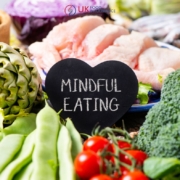
While it can be tempting to turn to sugary treats if you’re feeling sluggish, certain foods which UK Food Intolerance test for are known to improve brain health, and adding them to your diet can help boost your mood. Fatty fish such as salmon, for example, are rich in omega-3 fatty acids, which are linked to lower levels of depression. Bananas, eggs, and oats have also been reported to improve energy levels and stabilise your blood sugars, while seasonal foods such as nuts, seeds and dark chocolate are said to improve mood and support brain health.
Keep your sleep schedule consistent
Following a strict bedtime and wake-up time can help your body adapt when it’s had its internal cycle interrupted. It’s also important to follow good sleep hygiene, which means making your bedroom dark and comfortable, limiting the amount of screen time you have before bed and avoiding caffeine late in the day. As tempting as it can be to reach for a coffee when you’re feeling tired, caffeine is known to disrupt your sleep up to six hours after consumption, so be wary of drinking too much in the afternoon and evening.
Contact UK Food Intolerance to boost your wellbeing
Eating foods that your body has difficulty digesting can affect your energy levels and impact your wellbeing. Taking a food intolerance test will help you find out whether there are any ingredients that your body is sensitive to so you can make the necessary changes to your diet. You can order a test from our website by clicking here or find out more information on our FAQs page. If you have any questions, please get in touch by sending an email to [email protected] or by filling out our contact form.









Leave a Reply
Want to join the discussion?Feel free to contribute!